
Attempted Murder Defense in San Diego: Protect Your Future with Expert Legal Representation - Victor Orsatti

01
Jul
Attempted Murder Defense in San Diego: Protect Your Future with Expert Legal Representation
Table of Contents
- Why Attempted Murder Charges Demand Immediate Legal Action
- Understanding Attempted Murder Charges in California
- The Severity of Attempted Murder Convictions and Sentencing
- How We Build a Comprehensive Defense Strategy
- Investigating Evidence and Identifying Weaknesses in the Prosecution’s Case
- Protecting Your Rights During Police Interrogation and Investigation
- Negotiating with Prosecutors for Reduced Charges or Dismissal
- Preparing for Trial with Expert Witness Testimony and Evidence Presentation
- Our 24/7 Availability and Accessible Legal Support
- Why San Diego Defendants Choose Our Dedicated Defense Team
- Frequently Asked Questions (FAQ)
Why Attempted Murder Charges Demand Immediate Legal Action
Attempted murder charges represent one of the most serious criminal allegations a person can face in California. A conviction can reshape your life permanently, affecting your freedom, career, and family relationships. If you’re facing these charges in San Diego County, the decisions you make in the next 48 hours will likely determine the trajectory of your case and your future.
When you’re arrested for attempted murder, the stakes are extraordinary. Prosecutors will pursue this charge aggressively because public safety concerns are high, resources are typically unlimited, and conviction rates drive their office metrics. Waiting even a few days to secure legal representation allows investigators to lock in witness statements, collect physical evidence, and build their narrative without your side being heard.
We cannot overstate the importance of contacting a criminal defense attorney immediately. The moment police take you into custody, they will attempt to gather statements that support their case. Every hour matters because witness memory fades, evidence preservation decisions get made, and the prosecution’s initial case strategy becomes harder to disrupt once it solidifies. Our 24/7 availability means you can reach experienced legal counsel even if you’re arrested at midnight or on a holiday.
Your next action: Stop speaking to police without counsel present. Request a lawyer explicitly. Then contact us for a free consultation to discuss your situation and the evidence against you.
Understanding Attempted Murder Charges in California
California Penal Code Section 664 addresses attempted crimes, and when combined with murder charges under Penal Code Section 187, it creates a distinct and severe offense. Unlike a completed murder, attempted murder requires the prosecution to prove two key elements: that you acted with the specific intent to kill and that you committed a direct, substantial step toward that goal.
The distinction matters significantly. A person can be charged with attempted murder even if no one dies. You can also face attempted murder charges if the victim survives serious injuries. The prosecution doesn’t need to prove you actually came close to killing someone, only that you had a genuine intent to do so and took meaningful action aligned with that intent.
California distinguishes between two forms of attempted murder: premeditated and not premeditated. Premeditated attempted murder requires deliberation and reflection, meaning you thought about the killing beforehand. Non-premeditated attempted murder charges apply when the killing intent arose suddenly in the heat of the moment. This distinction affects sentencing ranges and negotiation possibilities.
The Severity of Attempted Murder Convictions and Sentencing
Attempted murder convictions carry sentences that can rival or exceed those for other serious felonies. If the attempted murder is premeditated, the base sentence in California runs 15 years to life in prison. Without premeditation, the sentence ranges from 5 to 15 years in prison. Judges have discretion within these ranges, and certain enhancements can extend sentences significantly.
The long-term consequences extend far beyond prison time. A conviction creates a permanent felony record that affects employment prospects across virtually every sector. Professional licenses become unreachable. Housing becomes difficult to secure. Immigration consequences apply if you’re not a U.S. citizen. You’ll face restrictions on firearm ownership, travel limitations, and constant disclosure requirements in job applications.
Additionally, violent felony convictions under California law may qualify as “strikes” under the Three Strikes sentencing law, meaning any future felony conviction could double your sentence or potentially result in 25 years to life imprisonment. These cascading consequences demonstrate why fighting the charges aggressively from day one is essential.
How We Build a Comprehensive Defense Strategy
Our defense approach starts with a comprehensive case analysis before we consider any negotiation. We examine the police report, witness statements, arrest details, and preliminary hearing transcripts to identify inconsistencies, procedural violations, and weaknesses in the prosecution’s narrative. This thorough foundation allows us to negotiate from a position of strength or prepare effectively for trial.
We then develop multiple parallel strategies:
- Challenge intent elements: Question whether the prosecution can genuinely prove you intended to kill, as opposed to intending other harm
- Examine the direct substantial step requirement: Investigate whether your actions truly constituted a direct step toward murder or fell short of this threshold
- Review procedural compliance: Verify that police followed proper protocols during arrest, search, and interrogation
- Assess witness credibility: Evaluate bias, perception issues, and motivation of witnesses the prosecution intends to call
- Explore alternative charges: Identify whether facts might support lesser charges like assault with deadly weapon or aggravated battery
Our team approaches each case as unique, recognizing that attempted murder charges arise from diverse factual scenarios. A bar fight gone wrong presents different defense angles than a shooting incident. A stabbing case involves different forensic considerations than a vehicular attack. We tailor our strategy to your specific circumstances.
Investigating Evidence and Identifying Weaknesses in the Prosecution’s Case
We treat investigation as an ongoing process, not something that ends once we review police files. We retain independent investigators to interview witnesses the prosecution hasn’t located, photograph crime scenes, and gather evidence the prosecution may have overlooked or discounted. Many cases turn on physical evidence that contradicts witness testimony or supports self-defense narratives.
Weapon evidence receives particular attention. If a gun was used, we examine ballistics reports, gunshot residue testing, and forensic analysis. If a knife or other weapon was involved, we assess whether your fingerprints or DNA are consistent with the prosecution’s theory or contradict it. We also evaluate whether police properly preserved evidence chains or whether contamination or mishandling occurred.
Surveillance footage, when available, becomes crucial. A video recording might show you acting in self-defense, or it might reveal the timeline was different than alleged, or it might simply undermine a key witness’s credibility. Cell phone location data, text messages, and social media activity also provide corroborating evidence or contradicting context.
We also examine medical evidence carefully. If the victim survived, medical records and expert analysis help establish the severity and nature of injuries. These details matter because they inform whether attempted murder charges are truly supported or whether lesser charges would be more appropriate.
Protecting Your Rights During Police Interrogation and Investigation
Your constitutional rights are significant and specific. Police cannot legally interrogate you without your attorney present once you’ve requested counsel. They cannot use coercive tactics, threats, or false promises to extract confessions. Any statement you make without understanding your rights can be suppressed as inadmissible at trial.
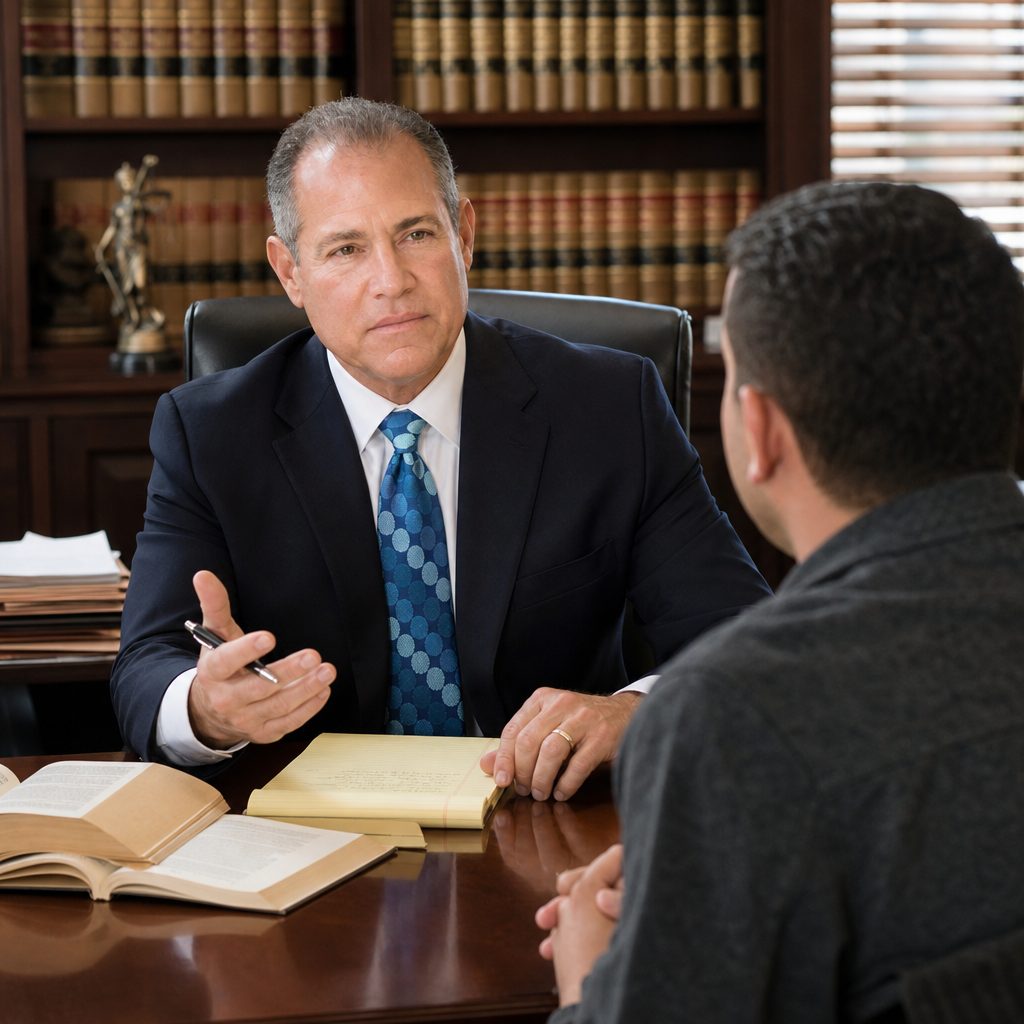
If you’ve already been interrogated, we examine the circumstances closely. Did police advise you of your Miranda rights? Did you explicitly request an attorney? Did police continue questioning after you requested counsel? Did they use deception or threats? Any deviation from proper protocol gives us grounds to suppress statements, which significantly weakens the prosecution’s case.
We also address search and seizure issues. Police must have proper legal authority before searching your home, vehicle, or possessions. If they lacked a warrant or valid exception to the warrant requirement, any evidence recovered becomes inadmissible. Similar rules apply to statements obtained during an improper traffic stop or unlawful arrest. These constitutional protections exist precisely for situations like yours.
Your immediate action if arrested: Tell police you want an attorney. Do not answer questions about the alleged crime, even if it seems like answering will help you. Politely but firmly refuse all interrogation until counsel is present.
Negotiating with Prosecutors for Reduced Charges or Dismissal
Once we’ve completed our investigation and identified weaknesses in the prosecution’s case, we approach plea negotiation strategically. We present the prosecution with our findings and explain how our defenses would complicate their trial. Strong cases often result in charge reductions or dismissals without needing to proceed to trial.
Prosecutors understand that trials are expensive, unpredictable, and time-consuming. If we can demonstrate that key witnesses are problematic, physical evidence is weak, or constitutional violations occurred, they may agree to reduce attempted murder charges to simple assault, battery, or aggravated assault. These reductions can mean years less imprisonment and vastly different collateral consequences.
We handle all negotiations directly with prosecutors, ensuring your interests drive every decision. We never pressure you toward a plea deal just to close a case. Instead, we explain the strength of both the prosecution’s case and our defense, then help you make an informed decision about whether to negotiate or proceed to trial.
Dismissals sometimes occur when we identify cases of mistaken identity, insufficient evidence of intent, or procedural violations so significant that convictions become unlikely. These outcomes typically require substantial investigation and legal work, but they spare you from trial stress and potential conviction.
Preparing for Trial with Expert Witness Testimony and Evidence Presentation
If your case proceeds to trial, we prepare meticulously. We work with expert witnesses including forensic analysts, pathologists, mental health professionals, and specialists in firearms or weapon mechanics, depending on your case’s specific facts. Expert testimony can challenge the prosecution’s physical evidence, provide alternative explanations for injuries or evidence, and undermine their attempt to establish intent.
We develop a jury strategy that humanizes you while systematically dismantling the prosecution’s narrative. We prepare you thoroughly for testifying, if that’s our strategy, or we explain why remaining silent might better serve your interests. We handle witness examination and cross-examination with precision, using open records from the prosecution to impeach credibility and highlight inconsistencies.
Trial preparation also means drafting motions to suppress evidence, exclude certain testimony, change venue if bias concerns arise, or address other legal issues. These motions sometimes result in dismissals or significant evidentiary limitations that improve your position substantially.
Our 24/7 Availability and Accessible Legal Support
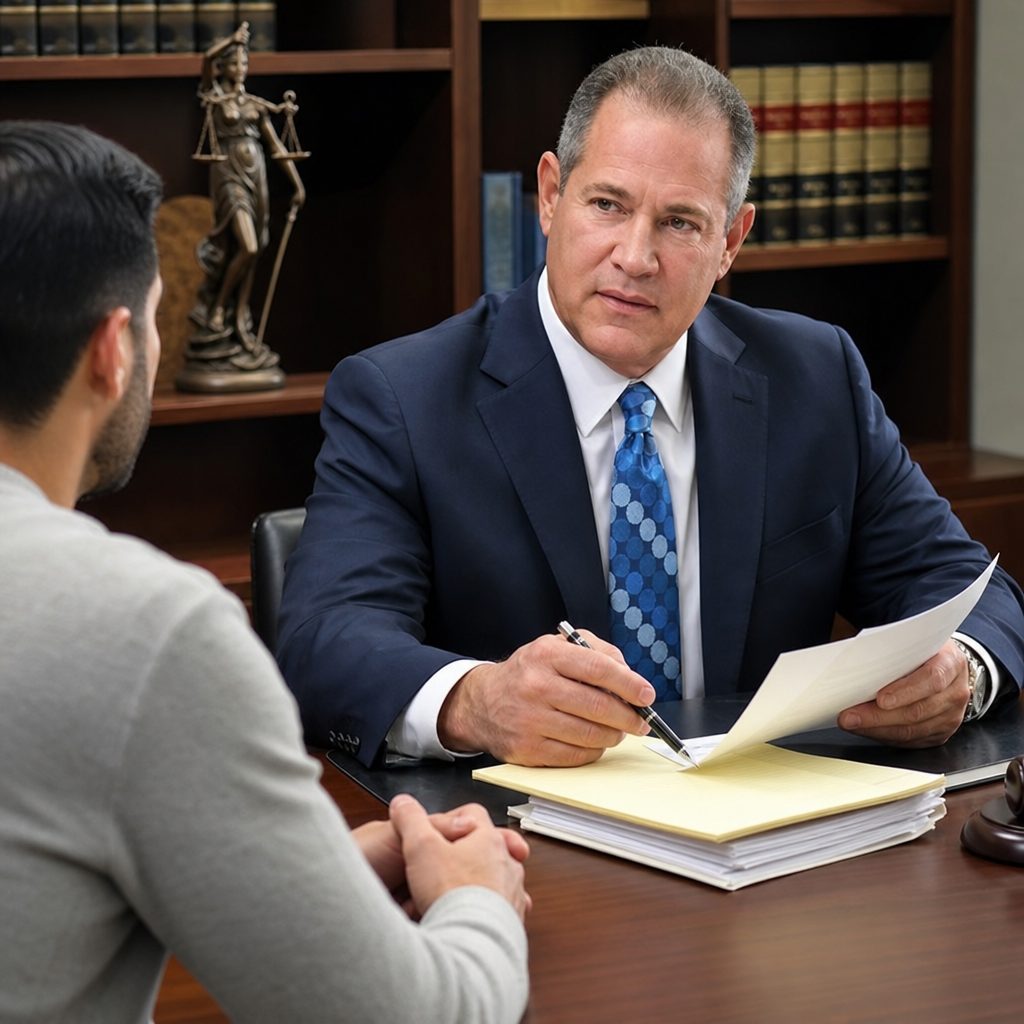
We recognize that arrests happen at unpredictable times. Many of our clients reach us in the middle of the night after police custody, or they call us hours after an arrest when they finally access a phone. Our round-the-clock availability ensures you can speak with experienced criminal defense counsel immediately, not days later when it’s too late to protect your rights.
We also maintain accessible flat-fee pricing and flexible payment plans because serious criminal charges already devastate your finances. You shouldn’t have to choose between mortgage payments and legal representation. Our fee structure allows you to understand costs upfront without surprise bills as your case proceeds.
Why San Diego Defendants Choose Our Dedicated Defense Team
We focus exclusively on San Diego County because we understand local courts, judges, prosecutors, and law enforcement practices deeply. We know which judges take certain legal arguments seriously, which prosecutors are flexible on charges, and how juries in various districts tend to evaluate evidence. This localized expertise directly benefits your case.
We also limit our caseload intentionally. Unlike public defenders managing hundreds of files simultaneously, we handle a manageable number of cases, ensuring each client receives thorough attention and strategic focus. Your case doesn’t get lost in bureaucracy.
If you’re facing attempted murder charges in San Diego County, contact us today for a free 24/7 consultation. We’ll examine your specific situation, explain realistic options, and begin protecting your rights immediately.
For further reading: Felony defense strategies.
Frequently Asked Questions (FAQ)
What should I do immediately after being arrested for attempted murder in San Diego?
Contact us right away for a free consultation, available 24/7. We’ll explain your rights, advise you on police interrogation, and begin gathering critical information about your case before evidence is lost or memories fade. The first hours after arrest are crucial, and we’re here to protect you from that moment forward.
How do we approach building a defense for attempted murder charges?
We conduct a thorough investigation into the prosecution’s evidence, identifying weaknesses in their case and exploring alternative explanations for what happened. Our strategy is tailored to your specific circumstances, whether that means challenging witness credibility, questioning forensic evidence, or negotiating for reduced charges. We prepare as if every case will go to trial, ensuring we’re ready to fight for you in court.
What makes attempted murder convictions so serious in California?
Attempted murder convictions carry severe penalties, including lengthy prison sentences, substantial fines, and permanent damage to your record and future opportunities. We understand these stakes, which is why we work aggressively to explore every possible avenue for dismissal or charge reduction before trial. Our goal is always to minimize the impact on your life and protect your future.
Attempted Murder Defense in San Diego: Protect Your Future with Expert Legal Representation
Table of Contents
- Why Attempted Murder Charges Demand Immediate Legal Action
- Understanding Attempted Murder Charges in California
- The Severity of Attempted Murder Convictions and Sentencing
- How We Build a Comprehensive Defense Strategy
- Investigating Evidence and Identifying Weaknesses in the Prosecution’s Case
- Protecting Your Rights During Police Interrogation and Investigation
- Negotiating with Prosecutors for Reduced Charges or Dismissal
- Preparing for Trial with Expert Witness Testimony and Evidence Presentation
- Our 24/7 Availability and Accessible Legal Support
- Why San Diego Defendants Choose Our Dedicated Defense Team
- Frequently Asked Questions (FAQ)
Why Attempted Murder Charges Demand Immediate Legal Action
Attempted murder charges represent one of the most serious criminal allegations a person can face in California. A conviction can reshape your life permanently, affecting your freedom, career, and family relationships. If you’re facing these charges in San Diego County, the decisions you make in the next 48 hours will likely determine the trajectory of your case and your future.
When you’re arrested for attempted murder, the stakes are extraordinary. Prosecutors will pursue this charge aggressively because public safety concerns are high, resources are typically unlimited, and conviction rates drive their office metrics. Waiting even a few days to secure legal representation allows investigators to lock in witness statements, collect physical evidence, and build their narrative without your side being heard.
We cannot overstate the importance of contacting a criminal defense attorney immediately. The moment police take you into custody, they will attempt to gather statements that support their case. Every hour matters because witness memory fades, evidence preservation decisions get made, and the prosecution’s initial case strategy becomes harder to disrupt once it solidifies. Our 24/7 availability means you can reach experienced legal counsel even if you’re arrested at midnight or on a holiday.
Your next action: Stop speaking to police without counsel present. Request a lawyer explicitly. Then contact us for a free consultation to discuss your situation and the evidence against you.
Understanding Attempted Murder Charges in California
California Penal Code Section 664 addresses attempted crimes, and when combined with murder charges under Penal Code Section 187, it creates a distinct and severe offense. Unlike a completed murder, attempted murder requires the prosecution to prove two key elements: that you acted with the specific intent to kill and that you committed a direct, substantial step toward that goal.
The distinction matters significantly. A person can be charged with attempted murder even if no one dies. You can also face attempted murder charges if the victim survives serious injuries. The prosecution doesn’t need to prove you actually came close to killing someone, only that you had a genuine intent to do so and took meaningful action aligned with that intent.
California distinguishes between two forms of attempted murder: premeditated and not premeditated. Premeditated attempted murder requires deliberation and reflection, meaning you thought about the killing beforehand. Non-premeditated attempted murder charges apply when the killing intent arose suddenly in the heat of the moment. This distinction affects sentencing ranges and negotiation possibilities.
The Severity of Attempted Murder Convictions and Sentencing
Attempted murder convictions carry sentences that can rival or exceed those for other serious felonies. If the attempted murder is premeditated, the base sentence in California runs 15 years to life in prison. Without premeditation, the sentence ranges from 5 to 15 years in prison. Judges have discretion within these ranges, and certain enhancements can extend sentences significantly.
The long-term consequences extend far beyond prison time. A conviction creates a permanent felony record that affects employment prospects across virtually every sector. Professional licenses become unreachable. Housing becomes difficult to secure. Immigration consequences apply if you’re not a U.S. citizen. You’ll face restrictions on firearm ownership, travel limitations, and constant disclosure requirements in job applications.
Additionally, violent felony convictions under California law may qualify as “strikes” under the Three Strikes sentencing law, meaning any future felony conviction could double your sentence or potentially result in 25 years to life imprisonment. These cascading consequences demonstrate why fighting the charges aggressively from day one is essential.
How We Build a Comprehensive Defense Strategy
Our defense approach starts with a comprehensive case analysis before we consider any negotiation. We examine the police report, witness statements, arrest details, and preliminary hearing transcripts to identify inconsistencies, procedural violations, and weaknesses in the prosecution’s narrative. This thorough foundation allows us to negotiate from a position of strength or prepare effectively for trial.
We then develop multiple parallel strategies:
- Challenge intent elements: Question whether the prosecution can genuinely prove you intended to kill, as opposed to intending other harm
- Examine the direct substantial step requirement: Investigate whether your actions truly constituted a direct step toward murder or fell short of this threshold
- Review procedural compliance: Verify that police followed proper protocols during arrest, search, and interrogation
- Assess witness credibility: Evaluate bias, perception issues, and motivation of witnesses the prosecution intends to call
- Explore alternative charges: Identify whether facts might support lesser charges like assault with deadly weapon or aggravated battery
Our team approaches each case as unique, recognizing that attempted murder charges arise from diverse factual scenarios. A bar fight gone wrong presents different defense angles than a shooting incident. A stabbing case involves different forensic considerations than a vehicular attack. We tailor our strategy to your specific circumstances.
Investigating Evidence and Identifying Weaknesses in the Prosecution’s Case
We treat investigation as an ongoing process, not something that ends once we review police files. We retain independent investigators to interview witnesses the prosecution hasn’t located, photograph crime scenes, and gather evidence the prosecution may have overlooked or discounted. Many cases turn on physical evidence that contradicts witness testimony or supports self-defense narratives.
Weapon evidence receives particular attention. If a gun was used, we examine ballistics reports, gunshot residue testing, and forensic analysis. If a knife or other weapon was involved, we assess whether your fingerprints or DNA are consistent with the prosecution’s theory or contradict it. We also evaluate whether police properly preserved evidence chains or whether contamination or mishandling occurred.
Surveillance footage, when available, becomes crucial. A video recording might show you acting in self-defense, or it might reveal the timeline was different than alleged, or it might simply undermine a key witness’s credibility. Cell phone location data, text messages, and social media activity also provide corroborating evidence or contradicting context.
We also examine medical evidence carefully. If the victim survived, medical records and expert analysis help establish the severity and nature of injuries. These details matter because they inform whether attempted murder charges are truly supported or whether lesser charges would be more appropriate.
Protecting Your Rights During Police Interrogation and Investigation
Your constitutional rights are significant and specific. Police cannot legally interrogate you without your attorney present once you’ve requested counsel. They cannot use coercive tactics, threats, or false promises to extract confessions. Any statement you make without understanding your rights can be suppressed as inadmissible at trial.
If you’ve already been interrogated, we examine the circumstances closely. Did police advise you of your Miranda rights? Did you explicitly request an attorney? Did police continue questioning after you requested counsel? Did they use deception or threats? Any deviation from proper protocol gives us grounds to suppress statements, which significantly weakens the prosecution’s case.
We also address search and seizure issues. Police must have proper legal authority before searching your home, vehicle, or possessions. If they lacked a warrant or valid exception to the warrant requirement, any evidence recovered becomes inadmissible. Similar rules apply to statements obtained during an improper traffic stop or unlawful arrest. These constitutional protections exist precisely for situations like yours.
Your immediate action if arrested: Tell police you want an attorney. Do not answer questions about the alleged crime, even if it seems like answering will help you. Politely but firmly refuse all interrogation until counsel is present.
Negotiating with Prosecutors for Reduced Charges or Dismissal
Once we’ve completed our investigation and identified weaknesses in the prosecution’s case, we approach plea negotiation strategically. We present the prosecution with our findings and explain how our defenses would complicate their trial. Strong cases often result in charge reductions or dismissals without needing to proceed to trial.
Prosecutors understand that trials are expensive, unpredictable, and time-consuming. If we can demonstrate that key witnesses are problematic, physical evidence is weak, or constitutional violations occurred, they may agree to reduce attempted murder charges to simple assault, battery, or aggravated assault. These reductions can mean years less imprisonment and vastly different collateral consequences.
We handle all negotiations directly with prosecutors, ensuring your interests drive every decision. We never pressure you toward a plea deal just to close a case. Instead, we explain the strength of both the prosecution’s case and our defense, then help you make an informed decision about whether to negotiate or proceed to trial.
Dismissals sometimes occur when we identify cases of mistaken identity, insufficient evidence of intent, or procedural violations so significant that convictions become unlikely. These outcomes typically require substantial investigation and legal work, but they spare you from trial stress and potential conviction.
Preparing for Trial with Expert Witness Testimony and Evidence Presentation
If your case proceeds to trial, we prepare meticulously. We work with expert witnesses including forensic analysts, pathologists, mental health professionals, and specialists in firearms or weapon mechanics, depending on your case’s specific facts. Expert testimony can challenge the prosecution’s physical evidence, provide alternative explanations for injuries or evidence, and undermine their attempt to establish intent.
We develop a jury strategy that humanizes you while systematically dismantling the prosecution’s narrative. We prepare you thoroughly for testifying, if that’s our strategy, or we explain why remaining silent might better serve your interests. We handle witness examination and cross-examination with precision, using open records from the prosecution to impeach credibility and highlight inconsistencies.
Trial preparation also means drafting motions to suppress evidence, exclude certain testimony, change venue if bias concerns arise, or address other legal issues. These motions sometimes result in dismissals or significant evidentiary limitations that improve your position substantially.
Our 24/7 Availability and Accessible Legal Support
We recognize that arrests happen at unpredictable times. Many of our clients reach us in the middle of the night after police custody, or they call us hours after an arrest when they finally access a phone. Our round-the-clock availability ensures you can speak with experienced criminal defense counsel immediately, not days later when it’s too late to protect your rights.
We also maintain accessible flat-fee pricing and flexible payment plans because serious criminal charges already devastate your finances. You shouldn’t have to choose between mortgage payments and legal representation. Our fee structure allows you to understand costs upfront without surprise bills as your case proceeds.
Why San Diego Defendants Choose Our Dedicated Defense Team
We focus exclusively on San Diego County because we understand local courts, judges, prosecutors, and law enforcement practices deeply. We know which judges take certain legal arguments seriously, which prosecutors are flexible on charges, and how juries in various districts tend to evaluate evidence. This localized expertise directly benefits your case.
We also limit our caseload intentionally. Unlike public defenders managing hundreds of files simultaneously, we handle a manageable number of cases, ensuring each client receives thorough attention and strategic focus. Your case doesn’t get lost in bureaucracy.
If you’re facing attempted murder charges in San Diego County, contact us today for a free 24/7 consultation. We’ll examine your specific situation, explain realistic options, and begin protecting your rights immediately.
For further reading: Felony defense strategies.
Frequently Asked Questions (FAQ)
What should I do immediately after being arrested for attempted murder in San Diego?
Contact us right away for a free consultation, available 24/7. We’ll explain your rights, advise you on police interrogation, and begin gathering critical information about your case before evidence is lost or memories fade. The first hours after arrest are crucial, and we’re here to protect you from that moment forward.
How do we approach building a defense for attempted murder charges?
We conduct a thorough investigation into the prosecution’s evidence, identifying weaknesses in their case and exploring alternative explanations for what happened. Our strategy is tailored to your specific circumstances, whether that means challenging witness credibility, questioning forensic evidence, or negotiating for reduced charges. We prepare as if every case will go to trial, ensuring we’re ready to fight for you in court.
What makes attempted murder convictions so serious in California?
Attempted murder convictions carry severe penalties, including lengthy prison sentences, substantial fines, and permanent damage to your record and future opportunities. We understand these stakes, which is why we work aggressively to explore every possible avenue for dismissal or charge reduction before trial. Our goal is always to minimize the impact on your life and protect your future.